
Rideshare advertising,
inside and out.
Rideshare advertising puts your brand on the cars people ride in every day: a video ad with a QR code on the screen facing the back seat, and a wrap or Tiles on the outside for everyone on the street. Vugo® runs both, on cars driving for Uber, Lyft, taxi companies and other fleets, and plans them in one campaign.


“Vugo is the leader… they pretty much invented the whole industry of rideshare advertising.”
One car.
Three ways to be seen.
In-vehicle screens
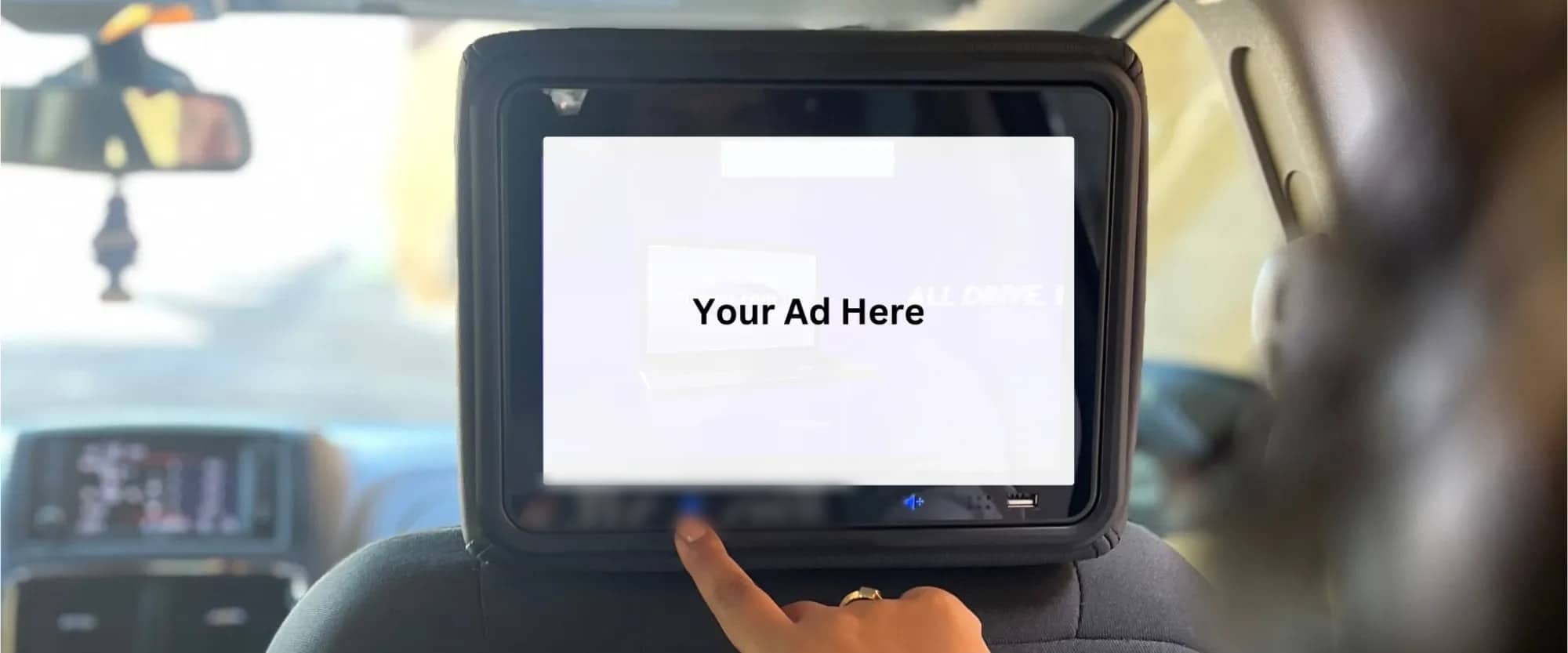
A video ad of up to 60 seconds on the screen in front of the passenger, with a QR code to your page. Screens are available by market, where drivers and fleets already run them.
Vehicle wraps
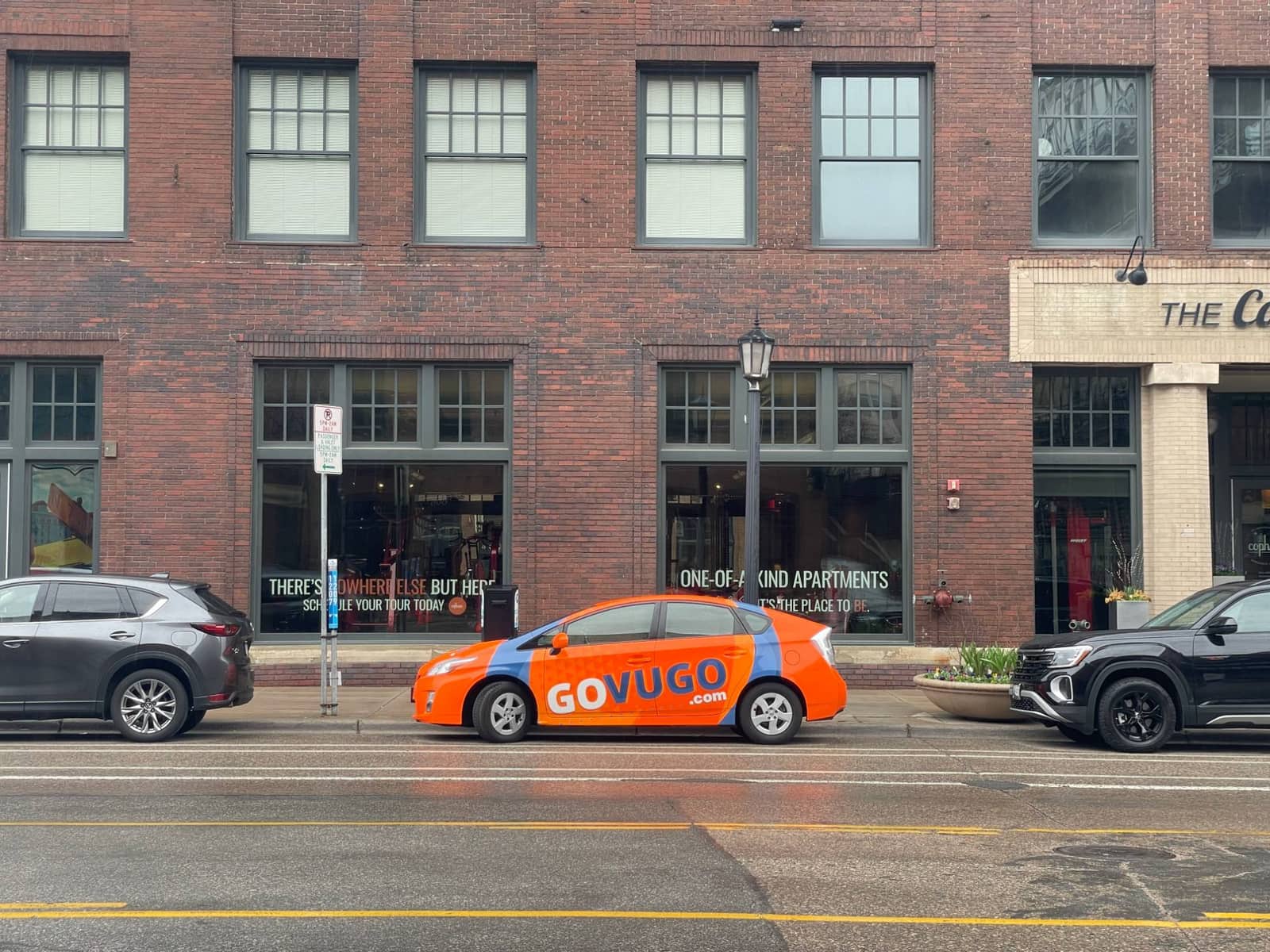
Full, partial and Standard Wraps, recruited and installed for your campaign in any metro. Wrap campaigns typically run two to six months.
Tiles
20 × 18-inch door wraps, two or four per car, printed and shipped to drivers who apply them, with production included.
Where people already
spend their day.
Rideshare is part of how Americans get around, and cars are where they spend a good part of every day. A screen reaches the person in the back seat; a wrap reaches everyone the car passes.
- 17.2%
- of Americans 16 and older used rideshare in the federal 2022 National Household Travel Survey, up from 9.8% in 2017 (NHTS 2022 →)
- 44 minutes
- a day the average American spends in a vehicle, as driver or passenger (NHTS 2022)
- 64%
- of people noticed a wrapped-vehicle ad in the past month in Nielsen’s 2019 study, second only to roadside billboards (Nielsen 2019 →)
From brief to the street.
Pick markets and formats
Share your cities, dates and goal. Wraps run in any metro; screens run where they’re available, and Vugo confirms what fits.
Set where it runs
Metros and a radius around an address set where screen ads play. TripIntent® and time of day put the right ad first.
Make the creative
One clear message for the screen or the street. The ad specs cover video, wraps and Tiles.
Go live and report
Follow validated delivery, QR scans and install proof as the campaign runs.
Aim by place.
Keep the reach.
TripIntent reads the places around the car, plus the destination when the driver sets one, and plays the ads that match first. It’s a priority, never a filter, so your reach doesn’t shrink. It never uses medical, religious or legal places.
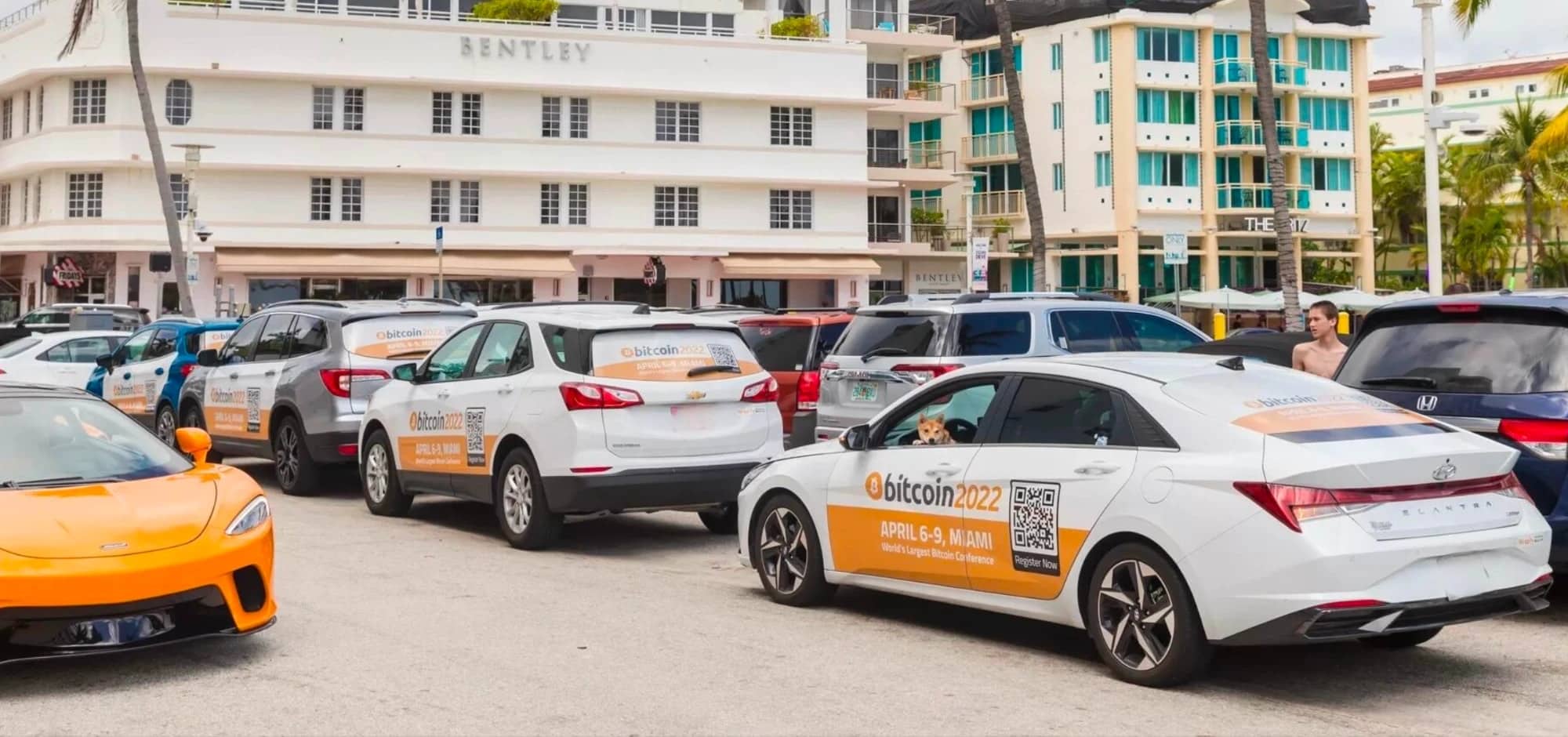
On wrap campaigns, a swarm brings the wrapped cars to one place or along one route for a window you schedule: a launch, a conference, a game day.
Know what you pay for.
In-vehicle screens
Typically $20–$25 CPM. Billed per thousand validated impressions: plays confirmed in a working car out on the road. Plays that can’t be confirmed are free.
Wraps and Tiles
Typically $0.75–$5 CPM. Priced per car per month; the longer the campaign runs, the lower the CPM goes. Wraps and Tiles run two months or more.
Reporting you can check
Validated delivery against everything served, QR scans per version, and install proof for every wrapped car.
Typical ranges, not a rate card: every campaign is quoted. See how those CPMs compare with TV, CTV, digital and billboards → or how pricing works →
Rideshare advertising, answered.
What is rideshare advertising?
Advertising on and in the cars people hire for rides: video ads on screens passengers see from the back seat, and wraps or door Tiles on the outside of the car. Vugo runs both, on cars driving for Uber, Lyft, taxi companies and other fleets. See Rideshare Advertising: A Guide for Brands →
Which cars carry the ads?
Cars whose drivers and fleets work with Vugo. Screens run where drivers and fleets already carry them. Wraps and Tiles are recruited for each campaign from Vugo’s driver database, which counts thousands of cars available for wraps. See which car wrap fits your campaign →
Where is it available?
Wraps and Tiles run in any metro. Screens are available by market. Share your cities and dates and Vugo confirms what’s available — see Markets →
Do the screens track passengers?
No. The screens don’t sense who is in the car, and Vugo doesn’t count passengers or claim an audience for a play. A QR scan is the passenger choosing to act. See what makes a play validated →
How long should a campaign run?
Wraps and Tiles run two months or more, and wrap campaigns typically run two to six months. Longer flights bring the CPM down. See How Long Should a Car Wrap Campaign Run? →
How much does it cost?
Every campaign is quoted from your format, markets, dates and number of cars. See how rideshare and car wrap CPMs compare with TV, CTV, digital and billboards →, then contact us to work out a quote →
A guide for brands
Who rides, why the back seat works, and how to make a screen ad that lands.
ReadWho rides
America’s rideshare passengers by the numbers, from the federal travel survey.
ReadCase studies
Campaigns brands have run with Vugo, on screens, wraps and rooftops.
ExploreIndustry research
What third-party studies say about ads on vehicles and how people get around.
ExplorePut your brand in the ride.
Share your markets, dates and goal, and Vugo plans the screens, wraps and Tiles around them.